



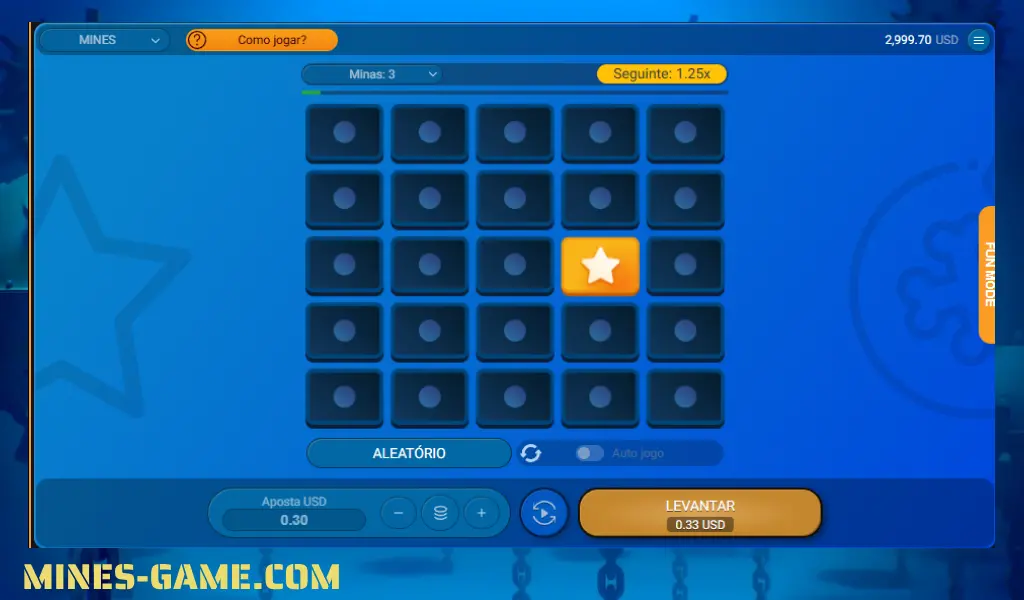
Occasionally you really need to get away from the screen. Throughout the UK, many are discovering that escape on a stone wall. Mountaineering requires everything you have: your attention, your strength, your courage. You concentrate only about the upcoming hold and the sensation of the stone. That full focus has a remarkable parallel in games like Turbo Mines Game Mines, where success depends on cool reasoning and a stable composure. These pastimes extract you from the daily routine. They teach you to weigh risks, to exercise patience, and to find the deep satisfaction in conquering a difficult puzzle. This is how the mentality of an adventure sport can improve your play and develop real fortitude.
The Allure of Extreme Sports in Contemporary Life
Routine life can feel packed but curiously lacking challenge. We scroll through online content, yet we hunger for something that sets our heart thump for real. High-intensity sports like rock climbing answer that. They pull you out of the virtual and plant you in the here and now, where a slip has weight and a victory is yours alone. This isn’t watching a story unfold; it’s writing your own. The adrenaline kick and the endorphin surge that follow offer a innate thrill and a clear-headedness screens can’t equal. It’s awareness with genuine risks, etched into cliff faces. You learn to manage fear and function under pressure, skills that translate directly to strategic thinking and daily obstacles.
Climbing in the UK: A World of Adventure
Rock climbers in the UK are truly fortunate. The country offers a remarkably varied range of rock. You have the famous, rough gritstone of the Peak District, the spectacular sea cliffs of Pembroke, and the majestic mountains of Snowdonia and the Scottish Highlands. The climbing history here is rich, with traditional ‘trad’ ethics woven into the culture of the crags. This range means there’s something for everyone. You could be a beginner at an indoor bouldering wall one week and a veteran climber tackling a multi-pitch route the next. The community is built on camaraderie. Exchanging advice on a tricky sequence or belaying a friend on a boulder problem is part of the fun.
Essential UK Climbing Spots for Every Level
New climbers might ask where to begin. Stanage Edge in the Peak District is a must-do, with thousands of routes along a single escarpment that’s easily accessible. Its gritstone teaches precise footwork and the delicate technique of trusting friction. Up in the Lake District, volcanic rock offers classic scrambles and tougher climbs, with Langdale being a central hub. Over in Wales, the Wye Valley’s limestone provides sheltered, technical puzzles, while the mountain crags of Ogwen Valley call for a more serious approach. Every region has its own feel, encouraging you to develop a broad set of skills.
Kit and Safety: The Essentials
Your adventure begins long before you leave the ground, with your gear. Climbing relies on equipment, and every piece has a job that could save your life. A basic personal kit includes a harness, a helmet, climbing shoes, and a belay device. For trad climbing, you’ll build a rack of cams, nuts, and slings to protect yourself as you go. Mastering this gear properly isn’t a suggestion; it’s the fundamental basis. Get professional instruction from bodies like the British Mountaineering Council or a qualified mountain guide. Make safety checks a routine. This habit fosters a mindset of meticulous preparation, the best tool for lowering risk.
Turbo Mines hra: Digitální zkouška nervů
Na dny, kdy se nemůžete dostat na skálu, umí strategická hra dát vašemu mozku pořádný trénink. Turbo Mines Game nabízí klasickou logickou hříčku kombinovanou s náhodou. Vaším cílem je odkrýt plochu, aniž byste trefili na schovanou minu. Každý tah je rozhodnutí. Každé číslo, které se objeví vám přináší více dat pro vaše další kroky. Slovo “turbo” implikuje vyšší rychlost, které vyžaduje rychlé rozpoznávání vzorců a ostré instinkty. Jde o čistokrevný test logického úsudku a vaší osobní tolerance k riziku. Podobně jako při lezení, musíte vyvážit agresivní postup s opatrným hodnocením. Zbrklý tah vede ke konci hry, kdežto přehnaná opatrnost vám brání ve výhře.
- Systematické prohledávání: Rychle vyberte zaručeně bezpečná políčka na základě číselných vodítek. Tím se účinně zmenšuje problém.
- Posouzení pravděpodobnosti: Pokud si nejste jisti, odhadněte pravděpodobnost, kde je ukrytá nálož. Je to jako výběr mezi dvěma možnými úchopy.
- Rozpoznávání vzorců: Pokročilí hráči se učí běžné konfigurace min, podobně jako lezec čte posloupnost lezecké cesty od země.
- Kontrola emocí: Nepanikařit po nešťastném tipu je klíčové. Obnovte svou koncentraci na příští partii.
Mental Connections: Climbing Focus and Strategic Play
Dangling from a cliff and participating in online gaming seem entirely distinct. But dig a bit deeper, and the mental approach aligns. Each requires a laser focus. A moment’s distraction means a fall or a lost game. A rock athlete plans a series of actions, conserves energy, and remains composed in an exposed position. A tactical player examines sequences, handles supplies, and executes deliberate decisions as stress increases. The shared element is risk management. On rock, you judge the quality of the stone, your protection points, and your own fatigue. In the Turbo Mines game, you assess probability, potential rewards, and the price of an error. Both are exercises in navigating tension, where the excitement comes from leveraging expertise to traverse unpredictability.
They also both value patience and view failure as helpful feedback. A mountaineer might fall many times on a challenge before ultimately succeeding. Each fall provides insight about posture or hold. This process of attempting, stumbling, and refining is mirrors refining a winning game strategy. You cultivate grit. You learn that reversals aren’t dead ends, but a step toward improvement. This progressive outlook, whether developed on stone or in a digital space, is a strong advantage. It allows you to detach your pride from the result and focus instead on the patient, methodical honing of your technique and choices.
Cross-Training for Mental and Physical
Think of these activities as supplementary forms of cross-training. Physical climbing builds raw grip strength, core stability, and decision-making under real duress. The exertion decreases stress and boosts mental health, creating a more resilient mind—a direct benefit for any strategic task. On the flip side, logic games like Turbo Mines improve analytical speed and cognitive flexibility. They’re a training session for the prefrontal cortex, enhancing how you process complex information and take fast decisions. That mental agility returns to the rock with you, enabling you to interpret a route efficiently and modify your plan on the fly. Together, they establish a feedback loop of readiness.
Don’t forget about rest. Muscles demand time to repair after a hard climb, and your brain gains from a break after intense cognitive work. Switching between physical and digital challenges offers a balanced kind of stimulation. You might spend a day on analytical gaming after a day of climbing, allowing each part of you to recuperate. This holistic approach assists prevent burnout and ensures you functioning well, whether you’re solving a boulder problem or a complicated minefield.
Getting Started: Your First Steps onto the Rock
If climbing calls to you, starting is straightforward. Your local indoor climbing gym is the best entry point. These places offer gear hire, beginner courses, and auto-belay systems so you can climb securely without a partner. Here, you’ll master basic movement, how to fall correctly, and the etiquette of bouldering. The gym community is typically very friendly. From this base, you can move on to top-rope courses to learn belaying. The initial goal isn’t to become an expert instantly. It’s to build confidence and understanding in a safe, supportive environment.
Investing in formal outdoor instruction is a vital next step. A qualified guide can teach you how to place traditional protection, build anchors, and understand environmental hazards like sudden weather changes. They bridge the gap between gym climbing and the independent adventure of the outdoors. Remember, climbing is a process. Celebrate the small wins—your first lead climb, finally completing a problem that once seemed unreachable. Each step adds to your technical skill and, more importantly, to that mindset of focused calm and strategic perseverance.
FAQ
What is the ideal point to take up the climbing sport?
There’s almost no bad age to start. Gyms run sessions for children as early as four or five. Numerous adults take up the activity in their 50s, 60s, or beyond. Prioritize technique over sheer force, start at a comfortable level, and heed what your body communicates to you. Climbing is incredibly scalable. It’s a lifelong activity that adjusts as your ability and goals change.
Do I need to be very strong to take up climbing?
Not at all. For novices, technique matters significantly more than force. Effective climbing requires using your legs to drive, maintaining your balance, and moving with deliberation. Training in a gym enables you to develop real-world strength naturally, just by training. Your hand and grip and core strength will build progressively as you train more often.
How is Turbo Mines Game distinct from classic Minesweeper?
The “Turbo” label typically means a quicker or more extreme version. This could involve a bigger grid, a ticking clock, special power-ups, or unique mine patterns that force more rapid thinking. It incorporates elements that boost the adrenaline and call for faster decisions, akin to the difference between a casual hike and a timed scramble up a mountain ridge.
Is rock climbing in the UK expensive to start?
Getting basic personal gear requires a manageable upfront cost. Ongoing expenses mainly come from gym entry fees and courses. Climbing outdoors itself is free, once you account for travel. BMC membership offers insurance and gear discounts at a reasonable price. You can also rent equipment at first to spread out the cost, which makes it a surprisingly accessible hobby.

Can playing strategic games improve real-world skills?
Yes, they can. They work on cognitive functions like pattern spotting, probabilistic thinking, and decision-making under pressure. They train your brain to process information and deduce logical outcomes. Such mental training can improve problem-solving in practical fields like planning, logistics, and analysis.
What is the key safety rule in climbing?
Always complete a mutual partner check before you start climbing. Each climber checks the other’s harness buckles, knot, helmet, and belay device setup. This easy, non-negotiable practice catches the vast majority of mistakes. It builds a culture where everyone shares responsibility for safety.
How can I manage fear of heights in climbing?
That fear is common and you can manage it. Try low-level bouldering to adapt to the movement. When you’re on a rope, practice falling in a controlled setting to strengthen faith in your system. Keep your gaze on the rock, not the ground. Inhale deeply. With steady, repeated exposure, your comfort level will grow, converting raw fear into a valuable, acute awareness.